5 Signs It’s Time for Exterior House Painting in Orange Park, FL
Your home’s exterior paint does more than simply improve curb appeal—it acts as a protective barrier that shields your home from the elements. Yet many homeowners find themselves asking the same question: how do you know when it’s time to repaint your home? Waiting too long can allow small issues to develop into expensive repairs, while repainting too early may seem unnecessary.
Living in Florida presents unique challenges for home exteriors. Constant sun exposure, humidity, rain, and seasonal storms can cause paint to deteriorate faster than in other regions. Over time, the finish that once protected your siding, trim, and exterior surfaces can begin to break down. When that happens, your home becomes more vulnerable to moisture damage, mold growth, and structural wear.
Recognizing the early warning signs is the key to protecting your home before serious damage occurs. Understanding when it’s time for exterior house painting in Orange Park, FL can help maintain your property’s value, extend the life of your exterior materials, and keep your home looking well cared for.
In this guide, we’ll explore five clear signs that indicate it may be time to repaint your home. By learning what to watch for, you can make confident decisions about maintaining your property and protecting it from Florida’s demanding climate.
Why Exterior House Painting Matters for Homes in Orange Park, FL
Exterior paint plays a much bigger role than simply improving how your home looks. A properly painted exterior acts as a protective layer that shields siding, wood trim, stucco, and other materials from moisture, UV exposure, and environmental damage.
In Florida, this protection is especially important. Homes in Orange Park experience intense sun, high humidity, and frequent rain. These conditions can cause paint to break down more quickly compared to homes in cooler or drier climates.
When paint begins to deteriorate, the materials underneath become exposed. This can lead to several problems, including:
- Moisture penetrating wood or siding
- Mold and mildew growth on exterior surfaces
- Rotting wood trim or fascia boards
- Higher repair costs due to delayed maintenance
This is why timely repainting is essential. Quality exterior coatings create a durable barrier that protects your home while maintaining its appearance.
Professional exterior painters in Orange Park, FL also understand the importance of proper preparation. Cleaning surfaces, repairing damage, applying primers, and using weather-resistant coatings all contribute to a finish that lasts longer in Florida’s climate.
For homeowners, repainting should be viewed as both a maintenance investment and a visual upgrade. A well-maintained exterior protects the structure of your home while improving curb appeal and preserving property value.
Sign #1: Fading or Discoloration on Your Home’s Exterior
One of the earliest signs that your home may need repainting is noticeable fading or discoloration. Over time, constant exposure to sunlight can break down the pigments in exterior paint, causing colors to lose their vibrancy.
Florida’s strong UV rays accelerate this process. Homes that receive direct sunlight throughout the day often experience fading more quickly than shaded properties.
Common signs of fading include:
- Exterior colors appearing dull or washed out
- Certain walls looking lighter than others due to sun exposure
- Trim or doors losing their original color intensity
While fading might seem like a purely cosmetic issue, it often indicates that the paint’s protective properties are weakening. Once the pigments break down, the coating itself may no longer provide the same level of protection against weather and moisture.
Repainting restores both color and protection. Fresh paint helps seal surfaces and creates a barrier against the elements.
For homeowners considering whether to repaint exterior home Florida properties exposed to intense sun, fading is often the first signal that it’s time to begin planning a new exterior paint project.
Beyond protection, repainting also dramatically improves curb appeal. A refreshed exterior can make a home look newer, cleaner, and more inviting.
Sign #2: Peeling, Cracking, or Flaking Paint
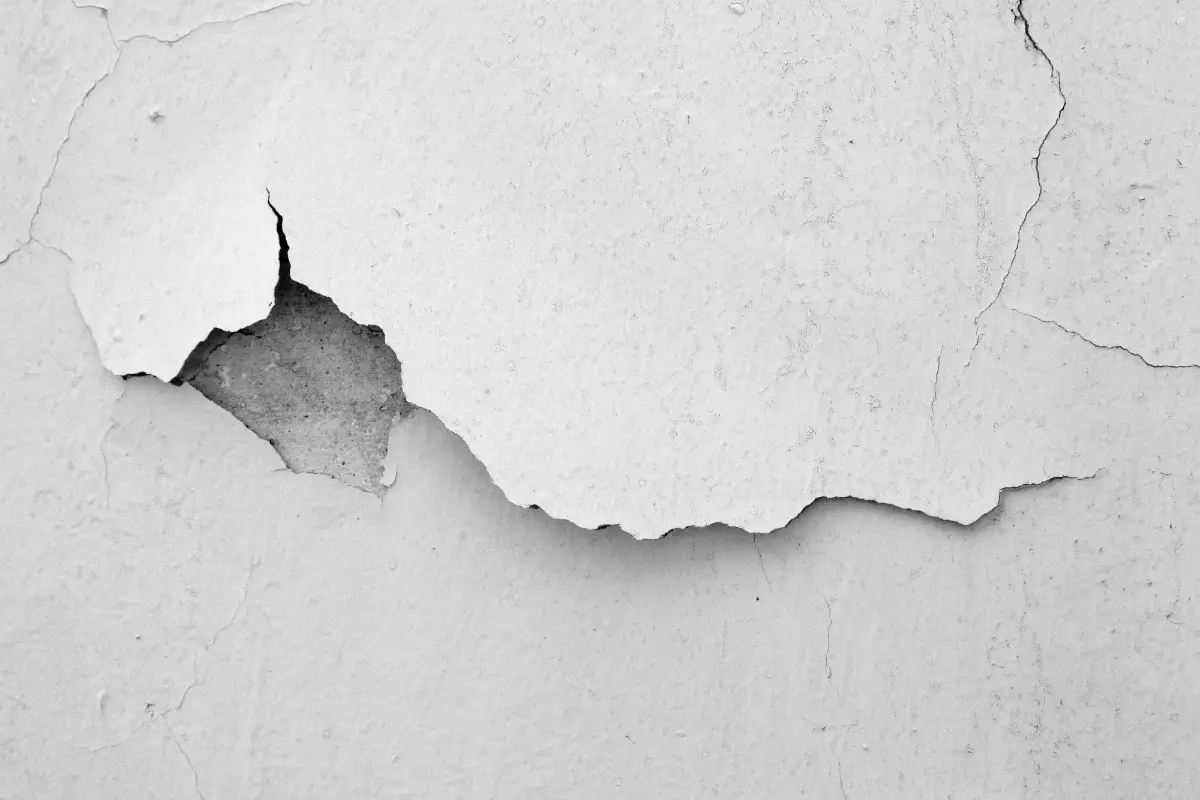
Peeling or cracking paint is one of the clearest indicators that your exterior coating has failed. When paint begins to lift away from the surface, it exposes the underlying material to weather damage.
This issue often starts when moisture becomes trapped beneath the paint layer. As temperatures fluctuate and humidity rises, the trapped moisture pushes the paint away from the surface, causing it to bubble, crack, or peel.
Common places where peeling paint appears include:
- Window trim and door frames
- Fascia boards and soffits
- Sun-exposed siding
- Areas near gutters or rooflines
Flaking paint not only looks unattractive, but it also allows moisture to penetrate the surface beneath. If left untreated, this can lead to wood rot or surface deterioration.
Proper preparation is essential when dealing with peeling paint. Surfaces must typically be scraped, sanded, repaired, and primed before a new coat of paint can be applied successfully.
Experienced house painting services Clay County understand how to properly address these issues before repainting. By correcting the underlying cause of paint failure, they help ensure the new paint system adheres properly and lasts longer.
If you notice widespread peeling or cracking, it’s usually a strong sign that your home is overdue for repainting.
Sign #3: Visible Moisture Damage or Soft Wood
Moisture damage is a serious concern for homes in humid climates like Florida. When exterior paint begins to fail, it can allow water to seep into wood trim, siding, and other building materials.
Over time, this moisture intrusion can lead to structural damage.
Some warning signs homeowners may notice include:
- Bubbling or blistering paint
- Swollen or soft wood trim
- Dark stains or water marks on siding
- Areas where paint feels loose or spongy
These symptoms often indicate that moisture has already begun penetrating the surface beneath the paint.
Florida’s humidity can worsen the problem quickly. Once moisture enters wood materials, it can create ideal conditions for mold growth or wood rot.
Repainting alone is not always enough if moisture damage has already occurred. The affected surfaces may first need to be repaired or replaced before a new paint system is applied.
Professional exterior painters Orange Park FL typically inspect the exterior carefully before beginning any project. They identify damaged areas, repair surfaces, and apply primers designed to seal and protect materials from future moisture intrusion.
Addressing these issues early can prevent costly structural repairs later.
Sign #4: Mold, Mildew, or Stains on Exterior Surfaces
Florida’s warm, humid climate creates the perfect conditions for mold and mildew growth on exterior surfaces. If you notice dark stains or greenish patches forming on your siding or trim, your paint may no longer be providing adequate protection.
These growths often appear in areas that receive less sunlight, such as:
- The north side of the home
- Under roof overhangs
- Near landscaping or trees
- Around gutters and downspouts
While some staining may be surface-level, persistent mold or mildew can indicate that the paint film has started to break down.
Pressure washing may remove some surface stains temporarily. However, if the paint coating has deteriorated, the stains will likely return quickly.
Repainting with mildew-resistant exterior coatings can help solve this problem. Modern paint formulas are designed to resist moisture buildup and inhibit mold growth.
A properly prepared and painted exterior creates a smoother, more sealed surface that makes it harder for mildew to take hold.
For homeowners in humid climates, maintaining a strong paint barrier is one of the most effective ways to keep exterior surfaces clean and protected.
Sign #5: Your Home Hasn’t Been Painted in 7–10 Years
Even if your home’s paint still appears relatively intact, age alone may indicate it’s time to repaint.
Most exterior paint systems have a lifespan of approximately 7–10 years, depending on the materials used and the level of exposure to sunlight and weather.
Several factors can shorten that lifespan in Florida, including:
- Strong UV radiation
- Frequent rain and humidity
- Salt air in coastal regions
- Temperature fluctuations throughout the year
Certain surfaces may require repainting sooner than others. For example:
- Wood trim often wears faster than siding
- Sun-facing walls may fade sooner
- Entryways and high-traffic areas experience more wear
If your home hasn’t been repainted in close to a decade, scheduling an inspection is a smart step. A professional evaluation can determine whether the paint system is still providing adequate protection.
Routine exterior house painting in Orange Park, FL helps maintain the structural integrity of your home while keeping it looking well maintained. Staying ahead of paint deterioration often prevents more serious repairs later.
Wrap-Up: Protect Your Home Before Paint Problems Get Worse
Exterior paint does far more than improve appearance—it protects your home from the demanding weather conditions that Florida homeowners face every year.
If you’ve noticed fading colors, peeling paint, moisture damage, mildew stains, or simply know that your home hasn’t been repainted in many years, these may all be signs that it’s time to take action.
Addressing paint issues early can help prevent more serious problems, including wood rot, structural deterioration, and expensive repairs. A well-maintained paint system keeps moisture out, protects exterior materials, and preserves your home’s value.
For homeowners evaluating whether it’s time to schedule exterior house painting in Orange Park, FL, the best first step is often a professional assessment. Experienced painters can inspect your home’s exterior, identify potential problem areas, and recommend the right approach for long-lasting protection.
If your home is showing any of the warning signs discussed in this guide, consider reaching out to a qualified painting professional. A consultation can help you understand your options and determine the right timing for repainting—ensuring your home stays protected and looking its best for years to come.