
5 Steps Pros Take to Protect Property During Power Washing
12/14/2025 05:00 PM
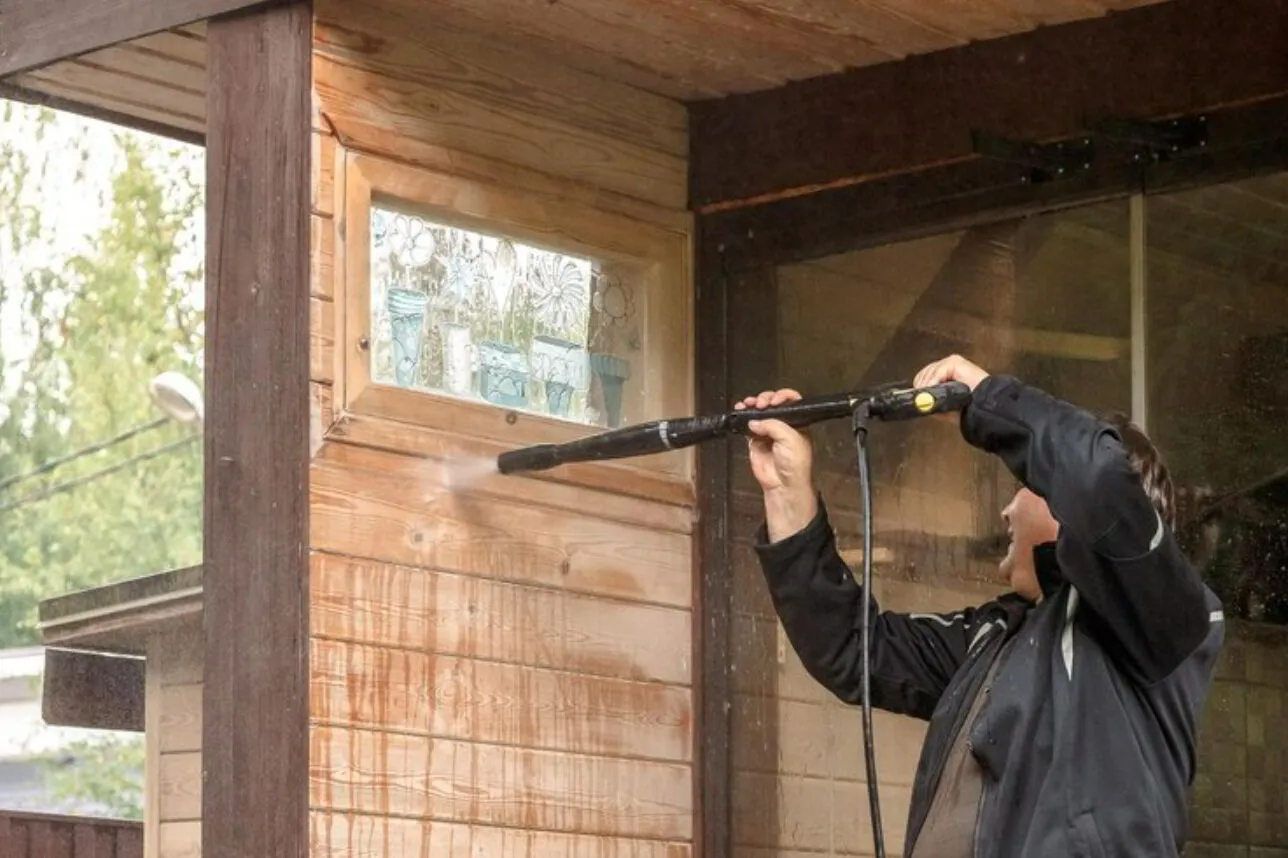
Commercial pressure washing services help businesses maintain clean, sharp-looking buildings, but they come with risks if handled carelessly. High-pressure equipment can strip paint, damage siding, and soak areas never meant to get wet. Even landscaping near the building can take a hit if the process isn’t done carefully. Proper protection plans make all the difference.
We take steps at every stage to make sure the worksite and everything around it stay safe. From setup to cleanup, we use the right tools and techniques to protect fragile surfaces, prevent messes, and make sure water flows where it should. Here’s how we do that on every job. For certain surfaces, like pool areas or patio zones, our approach often includes pool deck cleaning tailored to handle exposure and material differences.
1. Prep the Area Before Any Equipment Gets Set Up
Good prep always starts with a walk-through. We check for anything that looks cracked, loose, or already water damaged. Noticing those details ahead of time helps us decide what needs covering, or what should be avoided altogether.
Windows, vents, and outlets are marked and covered. We don’t want water seeping into power sources or creeping into window trim. Business signs, painted murals, or wood-framed displays near entryways are either removed or protected, depending on their materials and exposure. Surfaces that won’t hold up under pressure are factored into the cleaning plan from the start.
No building is the same, so we don’t treat any property like a checklist. By moving slowly through the site before we set up, we’re able to spot potential problems and stop them before they start.
2. Tarp and Cover Surfaces That Can’t Get Wet
Some areas just shouldn’t be washed directly, no matter what. For those, we use heavy-grade plastic sheeting or tarp to keep moisture out. That includes everything from electric panel boxes to door frames and light fixtures.
Many commercial buildings have landscaped beds or hedges close to their outer walls. While we’re there to clean the structure, we’re careful not to let the plants take the brunt of it. Plastic coverings stop overspray and debris from settling into leaves or mulch.
It’s not just delicate trims or plants we’re concerned about. Materials like stucco, brick, or painted cinder block each respond differently to pressure washing. Without the right prep work, water can cause staining, peeling, or early wear. We section those off with covers or switch tactics when pressure isn’t safe. Clients with attached outdoor spaces like lanais or patios may also benefit from screen enclosure cleaning to keep those areas spotless and protected.
3. Adjust Water Pressure for the Right Surface
Every part of a building reacts differently based on age, exposure, and material. Pressure that works for one wall might be too strong for another. That’s why we dial in water pressure to match each surface.
For newer siding or treated concrete, we use higher PSI settings to lift dirt and mildew quickly. For older structures or masonry with decorative features, we go lighter and use slower, more careful passes. This is especially important near courtyards or front entries where appearance matters most.
High-traffic paths, handrails, and curb lines may need more than one pass to really come clean, but they can’t be blasted too hard or they’ll scar and chip. Every customer-facing surface deserves to be cleaned without losing its finish. Choosing between pressure cleaning and professional soft washing can also make a major difference in preserving painted surfaces and decorative masonry.
Instead of using one approach for every wall or walkway, we break up areas by surface type and take the time to match pressure and technique where it’s needed most.
4. Protect Drainage and Runoff Areas During Cleaning
It’s easy to forget about where all the water is going while a job is in progress. But runoff can cause real problems if it backs up around roots or drains into the wrong areas.
Part of our prep includes checking how ground slopes and where water tends to pool. If runoff might spill into bushes, lawns, or walkways, we block those redirect paths early. We’ll set up barriers with foam blocks or drainage mats to steer water safely.
In some areas, we’ll use collection tools or screens to catch debris before it clogs anything. That matters most around storm drains or planters.
When we use any cleaning solutions, we switch to safer, bio-friendly products that won’t damage surrounding soil or structure. Every step is taken to protect people, plants, and the buildings we work on throughout the process.
5. Monitor for Safety Throughout the Process
Even with everything marked and covered, we never stop paying attention once the job starts. Site conditions can change fast with pressure washing—especially when wind, puddles, or floating debris get involved.
We keep communication open across the crew. One person works the hose, another keeps eyes on shields, covers, or nearby foot traffic. If something starts to shift or water sprays into the wrong place, we pause right away. It’s not worth risking damage just to finish a few minutes faster.
It’s common to adjust course while a job is underway. Wind kicks up, a tarp loosens, or runoff forms a puddle someone could slip in. Rather than keep going, we adapt in real time to keep property safe and results clean.
Why Extra Precautions Make a Big Difference
None of these protective measures are done by accident. They’re built into the way we schedule, prep, and clean. That helps protect property value while keeping everything looking its best long-term.
Skipping shields or using the wrong pressure might seem small in the moment, but the results show pretty quickly. Missed prep can mean streaked surfaces, warped panels, or leaks your property never had before.
When commercial pressure washing services are done right, surfaces come back to life without damage. Every added step—from covering windows to managing runoff—is another way we look out for the site while getting the job done. It’s safer, cleaner, and gives our clients more peace of mind when it matters most.
For pressure cleaning around Clay County that’s safe, detailed, and done with care, we make sure nothing gets overlooked. Planning exterior work around delicate siding, landscaping, or plumbing? Our approach to pressure washing protects what matters and keeps your property looking sharp. At 1st Coast Painting & More Inc., we base every job on the building’s layout and materials so results hold up over time.
We are a veteran and family owned and operated, full service interior and exterior residential and commercial painting company.
For over 15 years our experienced staff, unmatched service, and industry-best pricing has been the difference maker in how we approach our business.
From commercial properties for your business, to repainting the most important room in your home, we are proud to serve our communities in Clay County and are committed to providing the highest quality results.




Leave a Reply