7 Factors That Affect the Cost of House Painting
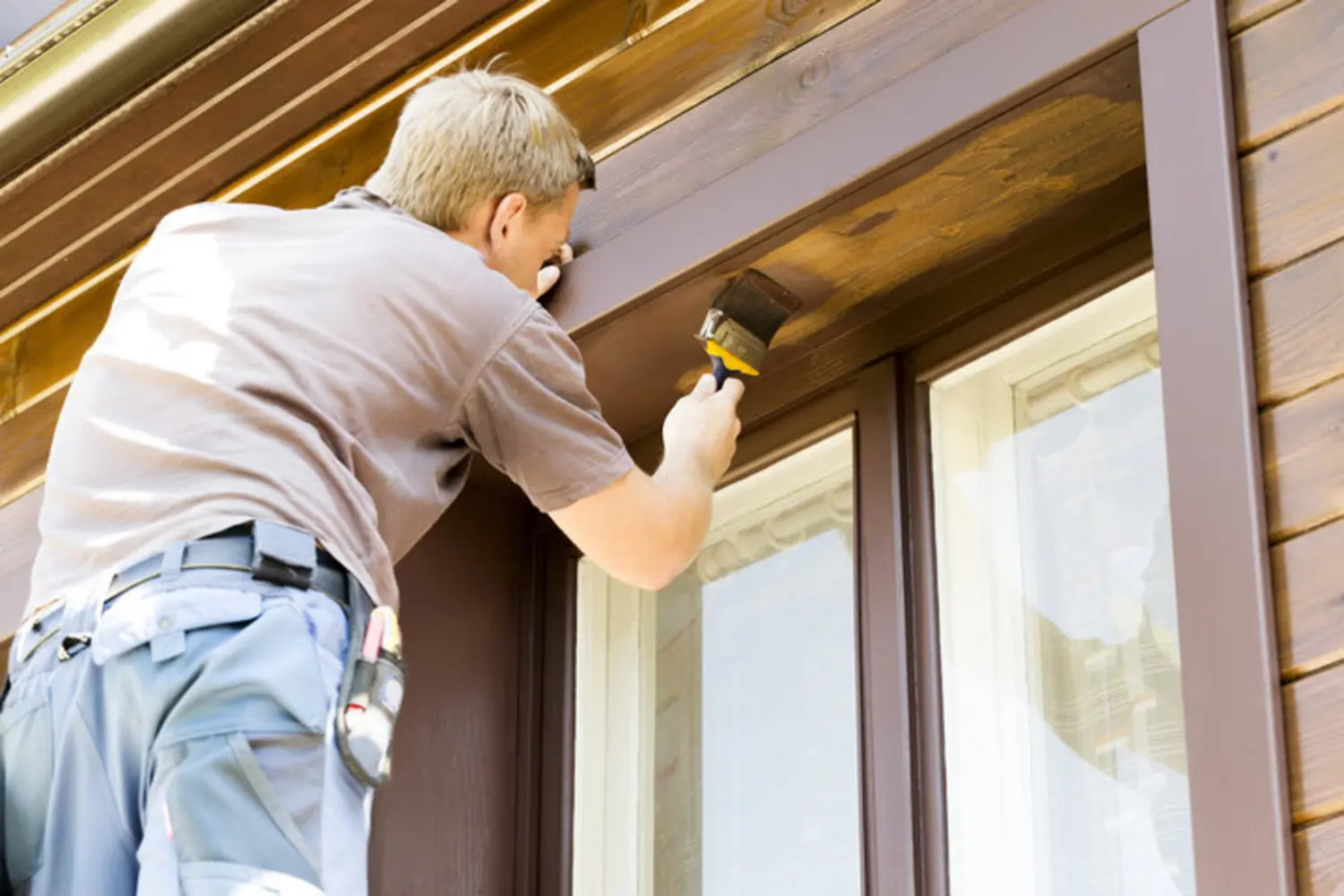
House painting quotes can range from a few thousand dollars to well over ten thousand, and that range confuses a lot of homeowners comparing bids. Two houses of similar size often get very different quotes, and paint quality, prep needs, and site conditions usually explain why. Understanding these seven factors before you request quotes helps you ask better questions and spot whether a quote reflects real value or cuts corners somewhere you can’t see yet.
1. Home Size
Square footage drives cost more directly than any other factor. More wall or exterior surface area means more paint, more labor hours, and a higher total price. Most professional quotes fall somewhere in the range of $2 to $6 per square foot depending on the other factors below, which means a single-story 1,500-square-foot home and a two-story 3,000-square-foot home can land on very different totals even with identical paint quality and finish choices.
Two-story homes also carry an access premium beyond the extra square footage itself, since upper-level surfaces require ladders or scaffolding that a single-story project doesn’t need. Most contractors estimate based on square footage, so an accurate measurement upfront gets you a more realistic quote and avoids surprises mid-project. It’s worth asking a contractor exactly what surfaces their square footage estimate includes, since some quotes cover only wall area while others fold in trim, doors, and ceilings into that same number.
2. Interior vs. Exterior Scope
Interior and exterior painting draw on different products, prep steps, and labor demands, and contractors don’t price the two the same way per square foot. Exterior projects in Florida carry cost factors interior projects simply don’t face:
- Stucco condition, including any cracking, chalking, or moisture intrusion that needs repair before painting
- Older wood siding that needs extra scraping, sanding, and priming before it can hold a new coat
- Scheduling around hurricane season, roughly June through November, to avoid delays or rework after storm damage
A professional exterior painting service accounts for these factors from the first estimate rather than discovering them mid-job. Many contractors build flexibility into exterior timelines during peak storm months, since afternoon rain can cost a full day of drying time even when the forecast looked clear that morning. Interior projects, meanwhile, tend to involve more detail work around trim, windows, and ceilings, along with prep like moving furniture and protecting floors. Knowing which scope applies to your project, or whether it covers both, shapes which of the remaining factors matter most for you.
3. Surface Condition and Prep Work
Cracked, peeling, or damaged surfaces need extra prep time before any paint goes on, and that time adds directly to labor cost. Florida’s humidity creates a specific challenge here: mold, mildew, and moisture damage show up more often in this climate than in drier regions, and addressing them properly takes more than a quick surface clean. Proper treatment usually involves a mildew-killing wash, a full rinse and dry period, and in some cases a mold-resistant primer before any topcoat goes on, and skipping any of those steps risks the new paint failing within a year.
If you’re restoring a weather-worn exterior that’s gone a few years without maintenance, expect prep to take up a larger share of the project than the painting itself. Homes in poor condition can double the prep time compared to a well-maintained surface, which is often the biggest hidden factor behind why two quotes for the same size home look so different. A contractor who spends more time on prep and less on the actual paint application isn’t padding the job; they’re protecting the finish you’re paying for.
4. Site Access and Obstacles
Multi-story homes, dense landscaping, fencing, and anything requiring ladders or scaffolding all add setup time and labor cost beyond what square footage alone suggests. A few things that commonly slow a project down:
- Dormers, narrow side yards, tall gables, or multiple material transitions
- Fences, retaining walls, pools, or landscaping that limits crew access to exterior walls
- Tight stairwells, vaulted ceilings, or delicate finishes that need extra protection indoors
A home with straightforward, simple lines paints faster than one with these features, and that speed shows up directly in the final price. Setup and teardown time for scaffolding or extended ladder work can add a full day or more to a project timeline before a single wall gets painted, which is time a contractor has to account for in the estimate even though it produces no visible progress on its own.
5. Paint Quality and Product Tier
Budget, mid-range, and premium paints differ in coverage, durability, and price, and those differences affect both material cost and how long the finish actually lasts. A budget interior paint might run $25 to $35 per gallon, while a premium line built for durability and washability can run $60 to $80 or more, and that gap multiplies quickly across a whole-house project. Premium paint often needs fewer coats to achieve full coverage, sometimes one coat where a budget product needs two, which can offset some of its higher upfront cost through reduced labor time. Choosing a lower-tier product to save money now can mean repainting sooner than expected, sometimes within just a few years in Florida’s sun and humidity, which makes the real cost comparison about long-term value rather than the price on the can.
6. Color Complexity and Number of Coats
Not every color change costs the same. Repainting a similar tone is usually straightforward and can sometimes get full coverage in a single coat, while covering deep reds, bright blues, or heavy stains often calls for specialized primer and multiple finish coats. A few things that typically add coats and cost:
- Dramatic color changes, especially dark-to-light transitions, which can require two full coats plus a tinted primer
- Heavy stains, water marks, or smoke damage that need to be sealed before painting so they don’t bleed through
- Custom or specialty colors, which can carry a higher material cost than standard, pre-mixed options
Ask a contractor directly whether their quote assumes one coat or two, since this single detail can shift a bid significantly without changing the scope of the project on paper.
7. Labor and Contractor Experience
Labor is one of the largest cost factors in any painting project, and it covers far more than the hours a crew spends applying paint. A quote also reflects project planning, site protection, prep discipline, and the ability to finish the job without turning your home into a mess. Experienced crews often cost more because they work to a higher standard: cleaner job sites, fewer issues that surface months later, and painters who understand how different surfaces and Florida’s climate behave together.
Licensing and insurance also factor into labor cost, since a properly licensed and insured contractor carries overhead that an uninsured crew doesn’t, and that overhead protects you if something goes wrong on your property. This holds true whether you’re pricing a standard home repaint or larger commercial painting projects with tighter timelines and more surface area to manage. The lowest bid isn’t always the best value, especially when a lower price comes from skipping prep steps, using a thinner product, or cutting the number of coats to save on materials and time.
Getting an Accurate Quote Starts With Understanding These Factors
These seven factors explain why painting quotes for similar-sized homes can vary so widely, and understanding them helps you evaluate a quote instead of just comparing a bottom-line number. A quote that seems dramatically lower than others is worth a second look at what it leaves out, whether that’s prep time, coat count, or product quality. Whether you need residential painting services or a full exterior restoration, the most useful comparison comes from a quote that accounts for your home’s specific size, condition, and scope rather than a flat per-square-foot number.
Ready to see what these factors mean for your project? Get a free quote and we’ll walk through your home’s size, condition, and scope together, no obligation required.