Best Time of Year for Exterior House Painting in Orange Park, FL
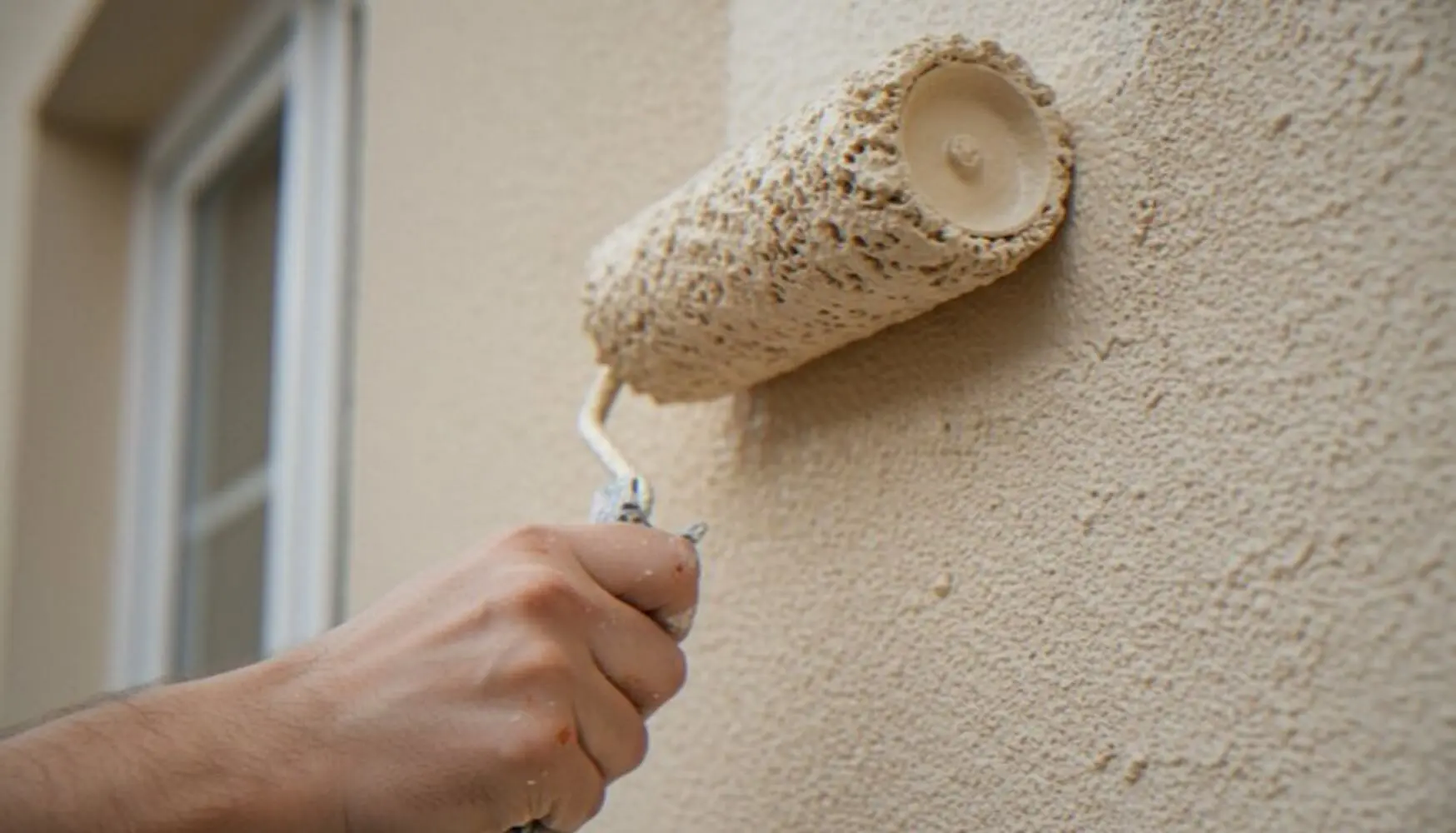
A fresh exterior paint job that fails within a year or two usually traces back to the conditions it was applied in, not the paint itself. National painting advice almost universally recommends summer and early fall, and tells homeowners to avoid winter entirely. That advice gets Orange Park exactly backward. Following it here risks scheduling a paint job during the worst possible conditions this climate has to offer.
What Actually Affects Exterior Paint: Temperature, Humidity, and Rain
Three factors determine whether an exterior paint job holds up for years or starts failing within months:
- Temperature: Exterior paint needs a range of roughly 50 to 85 degrees Fahrenheit to cure properly. Surfaces too hot or too cold both cause adhesion problems, since the paint either dries too fast to bond correctly or takes too long to set.
- Humidity: High humidity slows drying and can trap moisture under the topcoat. That trapped moisture leads to blistering, bubbling, or peeling months after the job looks finished.
- Rain: Paint needs a dry window both before and after application, generally at least 24 hours without rain, to bond and cure without water interference.
The science behind this comes down to how paint actually dries. Latex paint cures through evaporation, as water leaves the film, the remaining particles pull together and bond into a solid surface. High humidity slows that evaporation significantly, which stretches out the window where the wet film stays vulnerable to dust, insects, and surface damage. Dew point matters here too: when the air temperature gets close to the dew point, moisture condenses directly onto surfaces, even without visible rain, and that condensation can undermine a coat applied the evening before. These three factors, not the calendar date, actually determine whether a paint job holds up long term. A homeowner planning a project should think in terms of these conditions first and season second.
Why National Painting Advice Doesn’t Apply in Orange Park
Most painting advice published online comes from climates where summer brings mild, dry conditions and winter brings frost or snow. The recommendations that follow, paint in summer, avoid winter, make sense in that context. Orange Park’s climate runs in the opposite direction, which means that standard guidance doesn’t hold up here at all. Applying a generic seasonal calendar in this climate means following advice built for conditions Orange Park simply doesn’t experience, and that mismatch is worth understanding before picking a season for your own project.
Winter: The Best Time of Year for Exterior Painting in Orange Park
Winter in Orange Park, roughly December through February, offers the mild temperatures, low humidity, and minimal rainfall that most painting guides describe as ideal. The difference is that colder climates can’t reach these conditions until spring arrives, while Orange Park gets them every single winter. A few reasons this season stands out:
- Daytime highs typically run in the comfortable mid-60s to low 70s, well within the ideal curing range without any risk of summer’s extreme heat.
- Morning humidity often sits in the 50 to 60 percent range on clear winter days, compared to 80 percent or higher on a typical summer afternoon.
- Rainfall is lighter and less frequent than any other season, since the bulk of Clay County’s annual rain falls between June and September.
Painters also tend to have more schedule flexibility in winter, since many homeowners still follow the national advice to avoid this season entirely. A professional exterior painting service that understands Florida’s climate can take advantage of this window while competitors’ schedules sit open.
Fall: A Reliable Second Option as Hurricane Season Ends
Fall, particularly October and November, brings dropping humidity and more stable temperatures as hurricane season winds down. Daytime temperatures ease out of summer’s extremes into the comfortable 70s, and afternoon humidity starts trending back down toward winter levels as the season progresses. Waiting until hurricane season fully passes reduces the risk of a scheduled project getting delayed or undone by storm damage partway through. This makes fall a dependable window for homeowners who want to refresh their home’s curb appeal before winter, without the unpredictability that summer still carries into early fall. Conditions in fall don’t quite match winter’s consistency, but they come close enough to make this a solid second choice for most projects, especially for homeowners who want their exterior done before the holidays.
Spring: Workable, But Less Predictable
Spring, March through May, starts out mild but becomes less reliable as the season progresses. A few things to watch for if you’re planning a spring project:
- Pop-up afternoon showers become more frequent as spring advances toward summer, often arriving with little warning even on an otherwise clear forecast.
- Humidity begins climbing toward summer levels by late May, especially in the second half of the season, narrowing the dry window each day offers.
- Early spring projects tend to go more smoothly than ones scheduled for late spring, when conditions start to resemble summer more than winter.
A homeowner set on a spring timeline should aim for March or early April rather than waiting until May, when the window starts closing fast. Pollen is also worth planning around in early spring, since a heavy pollen day can settle into wet paint and affect the finish if a project runs during peak season.
Summer: The Season to Avoid in Orange Park
Summer in Orange Park combines the three worst conditions for exterior paint at once: extreme heat, peak humidity, and near-daily afternoon thunderstorms. Daytime highs regularly push into the 90s, well above the ideal curing range, while humidity frequently sits above 80 percent even in the morning hours. This period also overlaps with the most active stretch of hurricane season, adding real scheduling risk on top of the daily weather challenges. Paint applied in summer heat can dry too fast on the surface while staying wet underneath, a common cause of early cracking and peeling that doesn’t show up until months later.
The near-daily thunderstorm pattern common to Florida summers also means a crew might only get a few reliable painting hours each morning before afternoon storms roll in, stretching out project timelines and increasing the odds of a half-finished section getting rained on. This is precisely the season most national painting guides recommend as ideal, and that recommendation only works in climates where summer doesn’t bring this particular combination of heat, humidity, and storms. In Orange Park, it’s the one season worth actively planning around rather than toward.
How to Schedule Your Exterior Painting Project Around Florida Weather
Winter and fall offer the most reliable windows for exterior painting in Orange Park, with winter standing out as the strongest option despite being the season most generic advice tells homeowners to skip. A few practical steps make any season work better:
- Schedule morning starts when possible, since afternoon humidity and storm buildup tend to peak later in the day even outside of summer.
- Build a few flexible days into any project timeline to account for the occasional rain delay, even during the best seasons.
- Plan any necessary pressure washing far enough in advance, since surfaces need adequate drying time after washing before paint can go on properly.
- Confirm your contractor’s typical project timeline for your home size, which in the Orange Park area generally runs 3 to 5 days for a standard single-family home.
- Ask your contractor whether their paint products are formulated for humidity resistance, since some coatings cure more reliably in marginal conditions than others.
If your timeline doesn’t allow for winter or fall scheduling, a contractor experienced with Florida’s climate can still plan around tighter windows, working early mornings, monitoring forecasts closely, and choosing products built to handle the conditions. A contractor familiar with Florida’s specific climate patterns plans around these factors automatically, rather than working from a generic seasonal calendar built for somewhere else entirely.
Ready to get your exterior painting project on the calendar for the best season? Get a free quote and we’ll help you plan the timing around Orange Park’s actual weather, not someone else’s.